Product Design
Redesigning Medical Training for the VR Era
End-to-end UI/UX redesign of a healthcare tech company's in-headset training experience — from fragmented floating panels to a unified, spatially-grounded clinical interface.
Setting the Stage
A healthcare tech company building a leading medical training platform that enables healthcare professionals to master clinical procedures through immersive, step-by-step VR simulations — from ECG placement to complex surgical interventions.
A Fragmented Experience
While the platform's simulation technology was industry-leading, the original in-VR interface created barriers to effective learning.
Disconnected floating panels scattered across the VR space made information difficult to locate. No sense of progress left learners confused about where they were in multi-step procedures. Confusing teleportation navigation broke spatial orientation. No on-demand guidance for anatomy or clinical insights. Inconsistent visual language that didn't align with the company's evolving brand identity.
Before — Legacy Interface
- —Multiple disconnected panels
- —Unclear procedural progress
- —Confusing spatial navigation
- —No contextual learning layers
- —Generic, off-brand aesthetics
After — Redesigned Experience
- +Unified, spatially-grounded UI
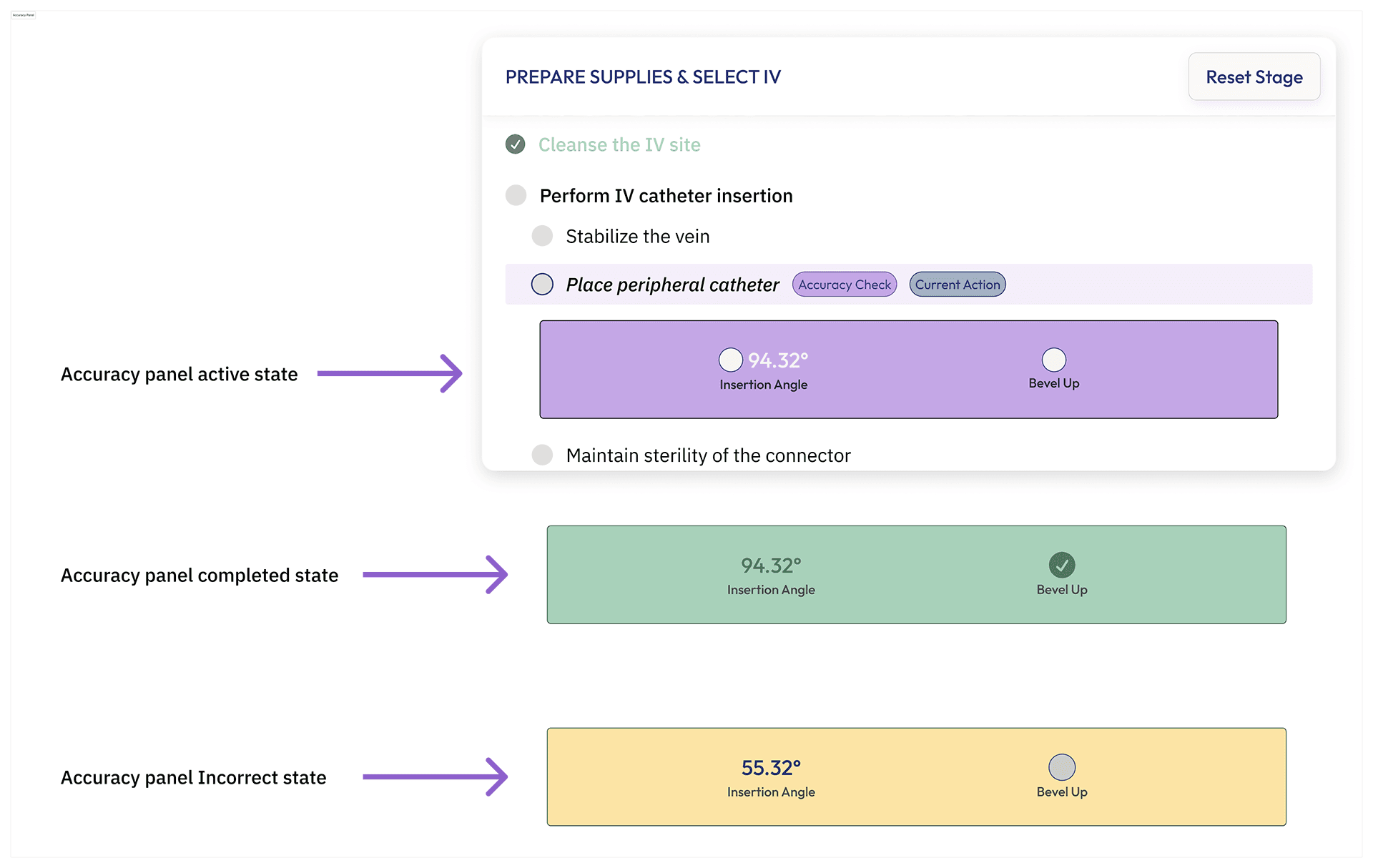
- +Clear step tracking & verification
- +Intuitive movement system
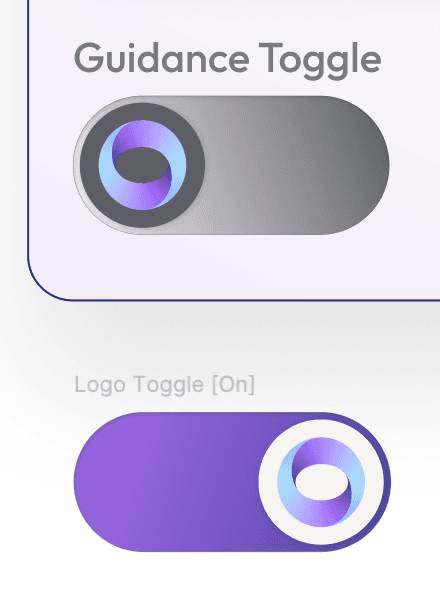
- +On-demand contextual support
- +Brand-aligned, professional design
From Research to Reality
1. Research & Journey Mapping
Conducted comprehensive journey-mapping sessions with clinical educators and end users to document every touchpoint in the procedural learning flow. Identified major cognitive load issues, spatial disorientation, and gaps in contextual information delivery.
2. Ideation & Spatial Planning
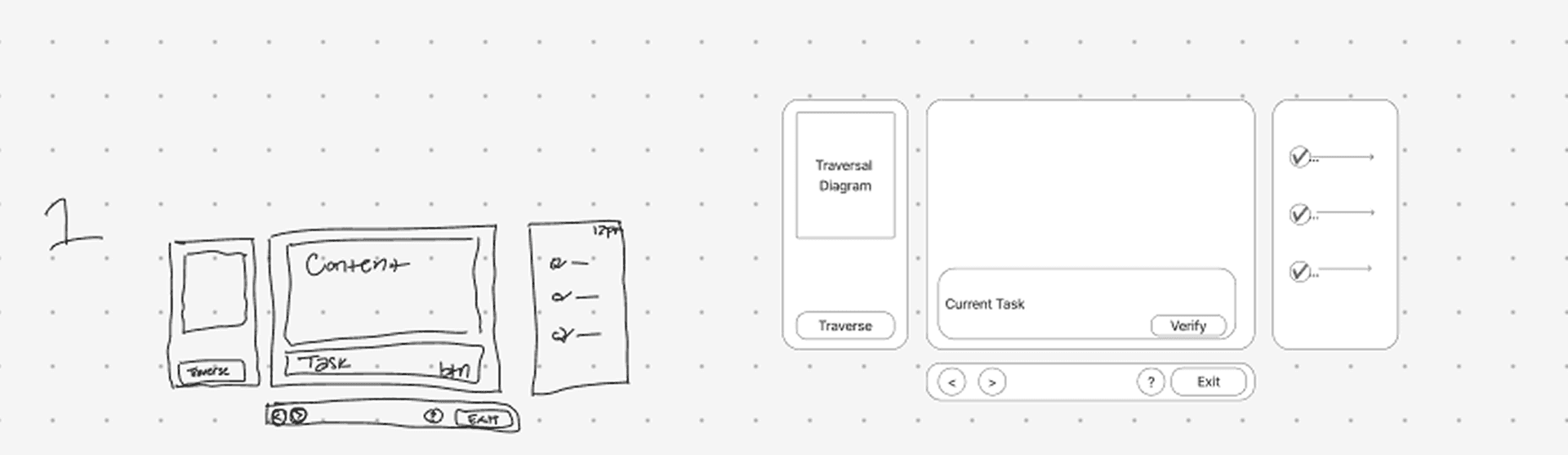
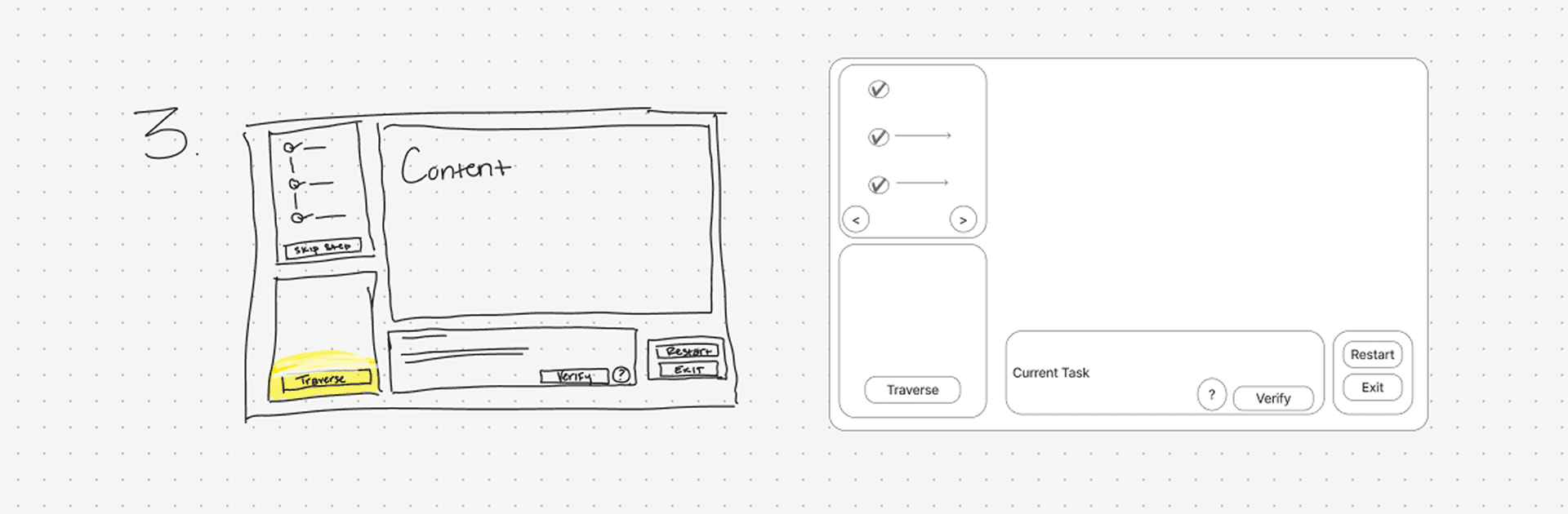
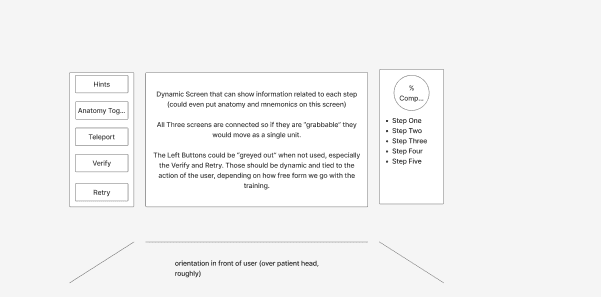
Created extensive whiteboard sketches and wireframes exploring how multiple UI components could coexist in 3D space without overwhelming learners. Tested various panel layouts, information hierarchies, and interaction models.

3. In-Headset Testing
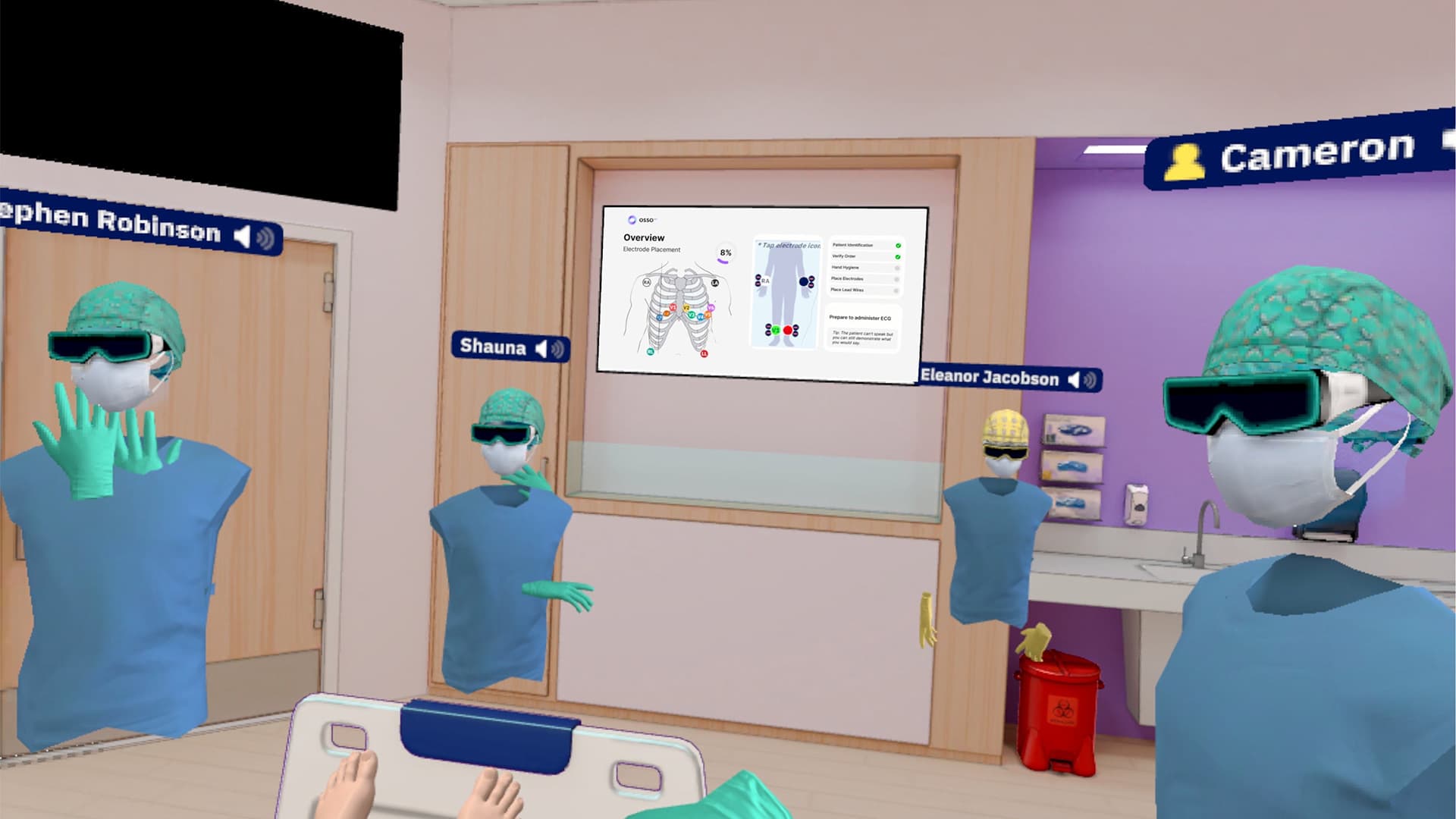
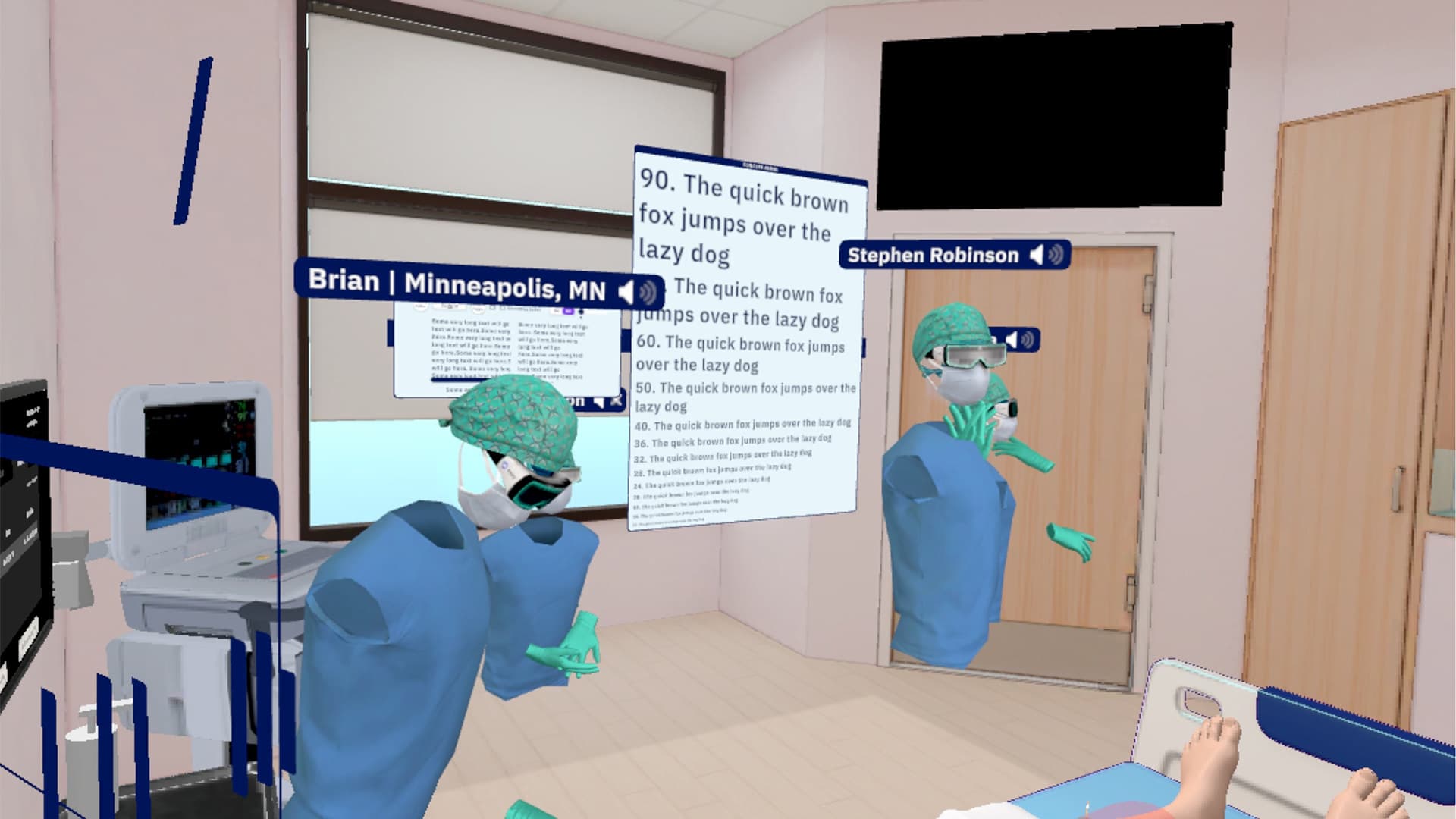
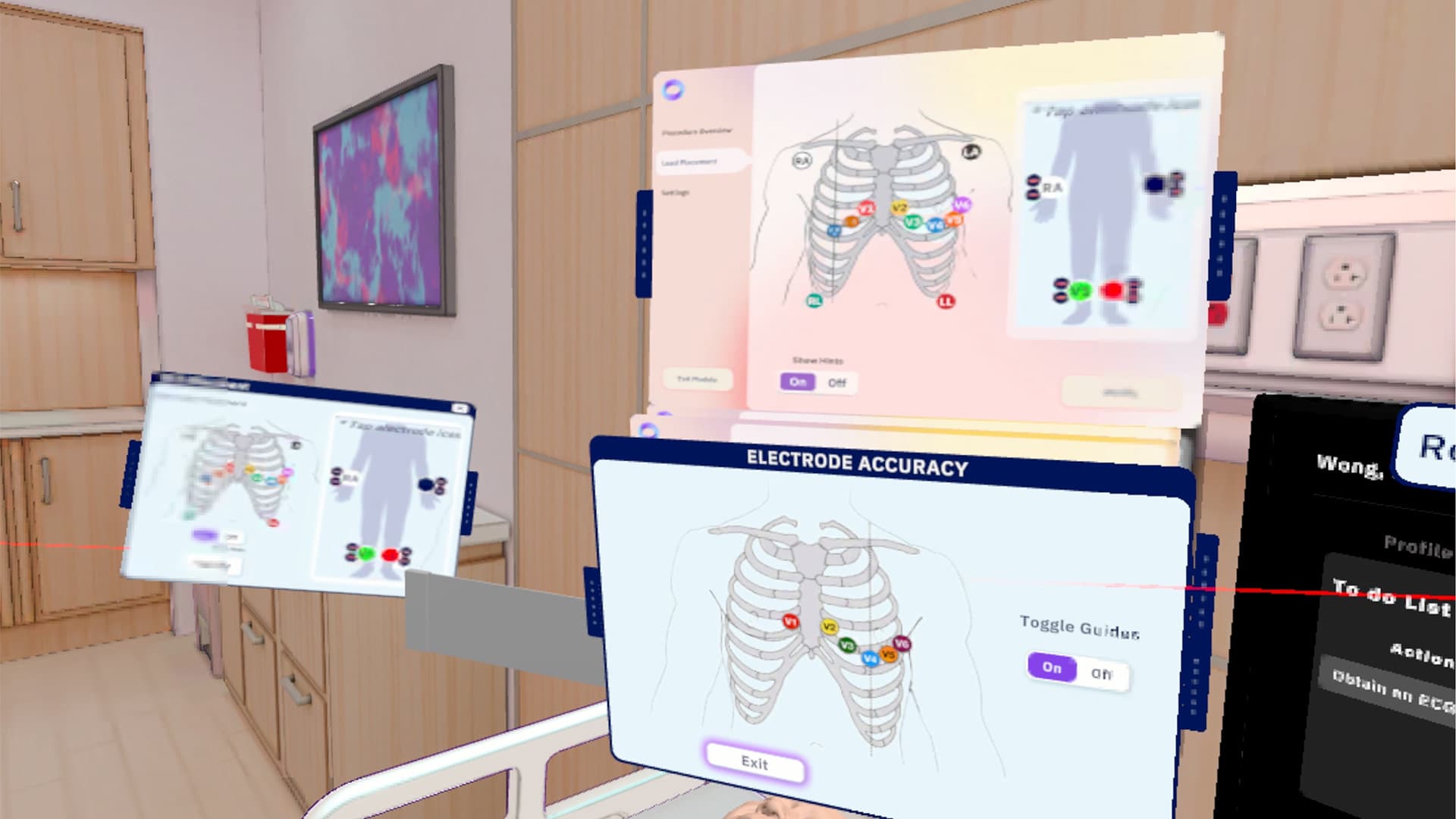
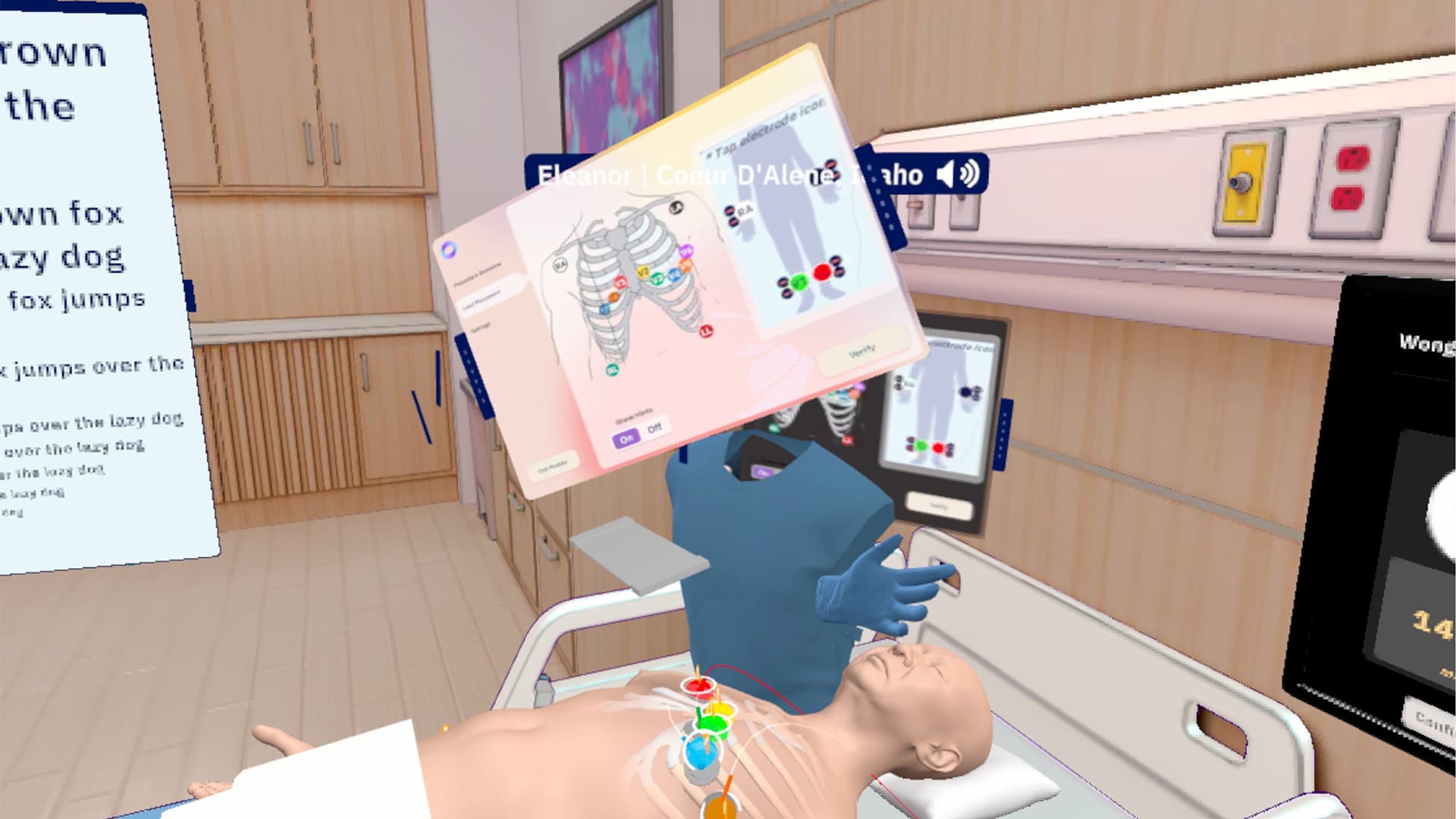
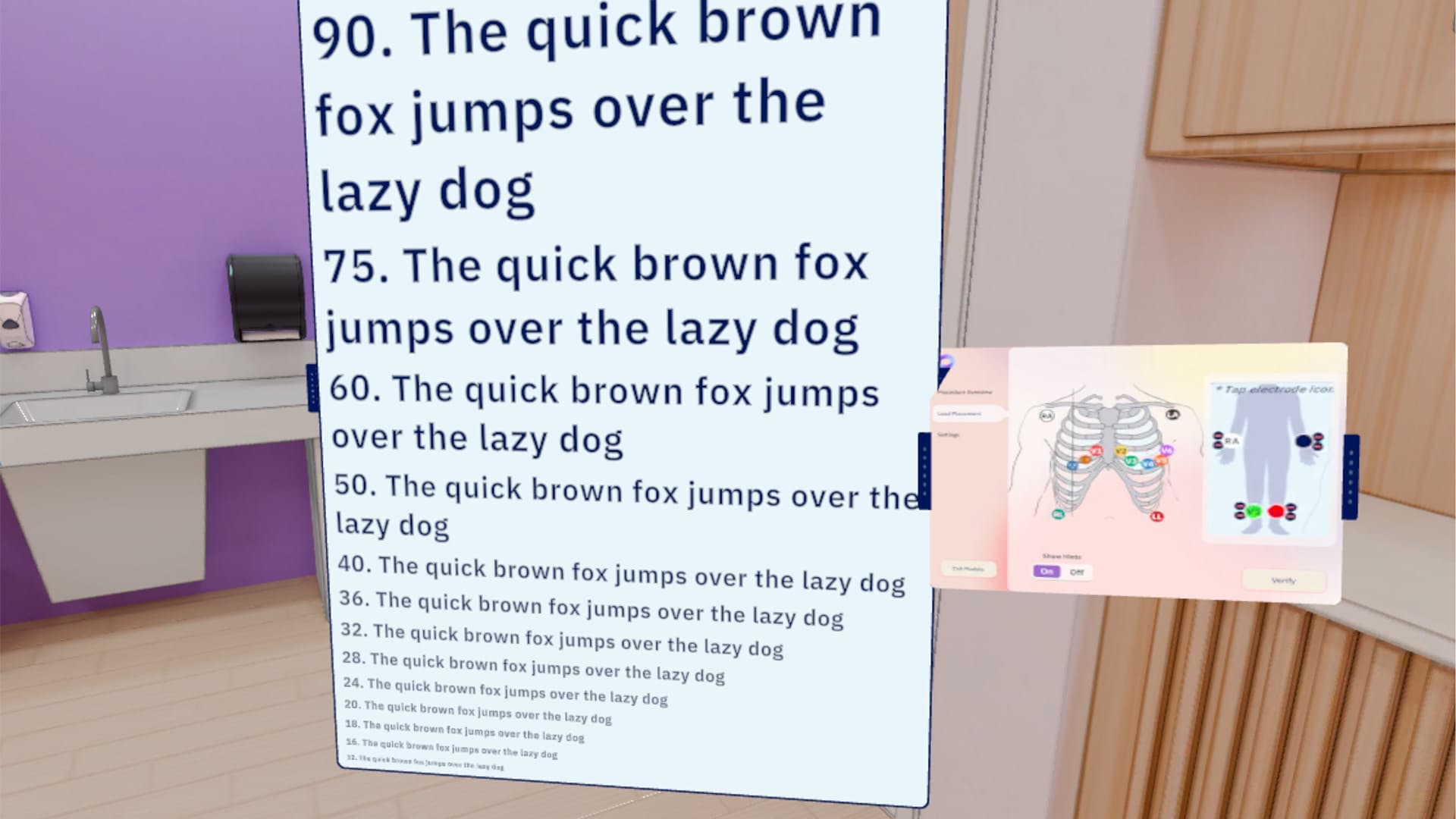
Ran iterative VR testing sessions with internal clinical and product teams. Evaluated readability at various distances, interaction comfort, panel depth hierarchy, and cognitive load during task performance.
4. Visual Design & Brand Integration
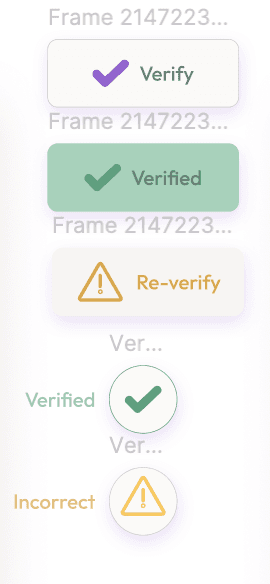
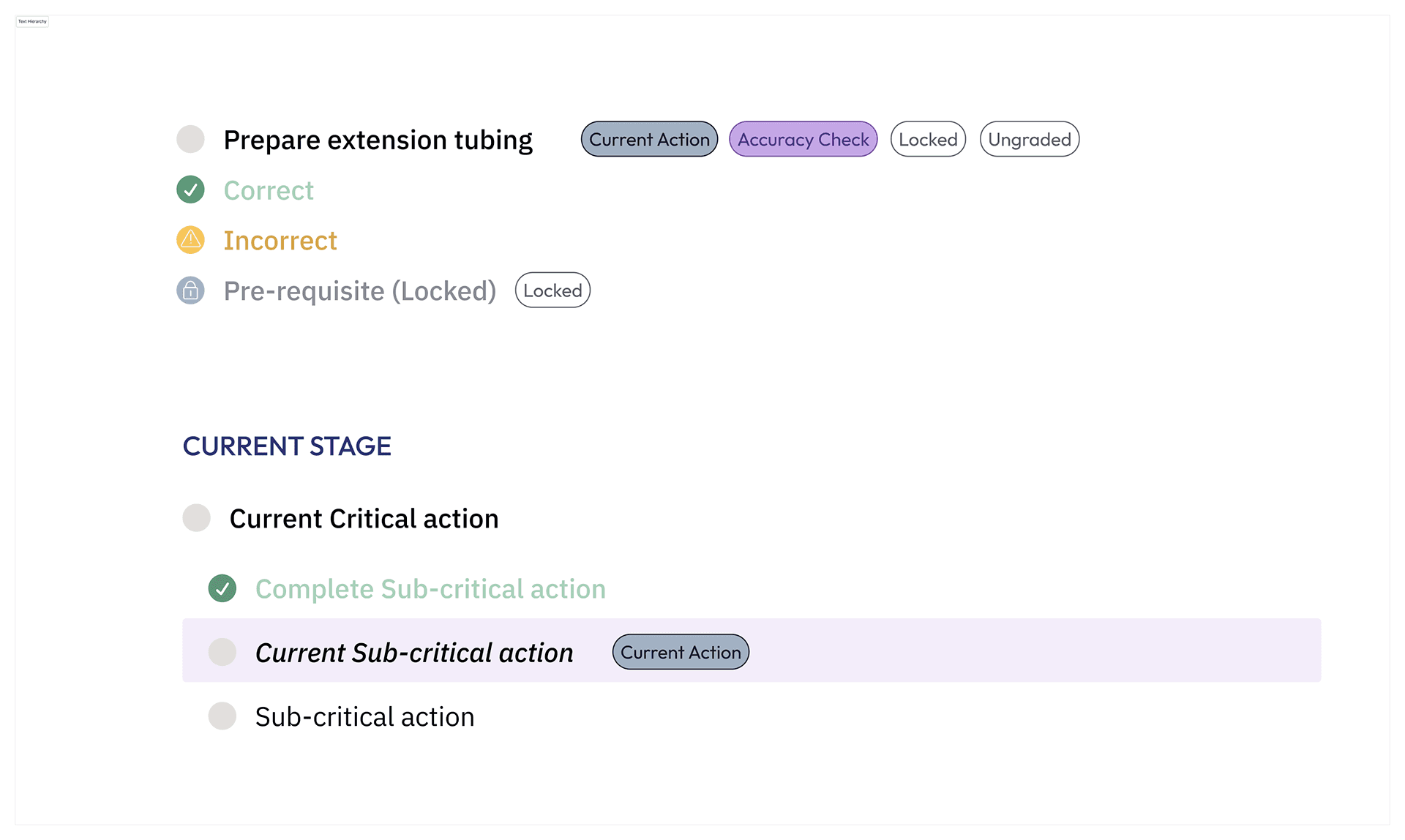
Unified the interface with the company's refreshed brand palette, introducing color-coded verification states, refined typography, and lighting tests to ensure visibility across different VR environments and hardware.
5. Implementation & Handoff
Worked closely with Unity engineers to ensure designs translated accurately into the 3D environment. Documented interaction specifications, state behaviors, and accessibility guidelines for future development.
A Unified Clinical Interface
Four interconnected systems that transformed scattered UI into an intuitive, immersive learning experience.
Core Interface Components
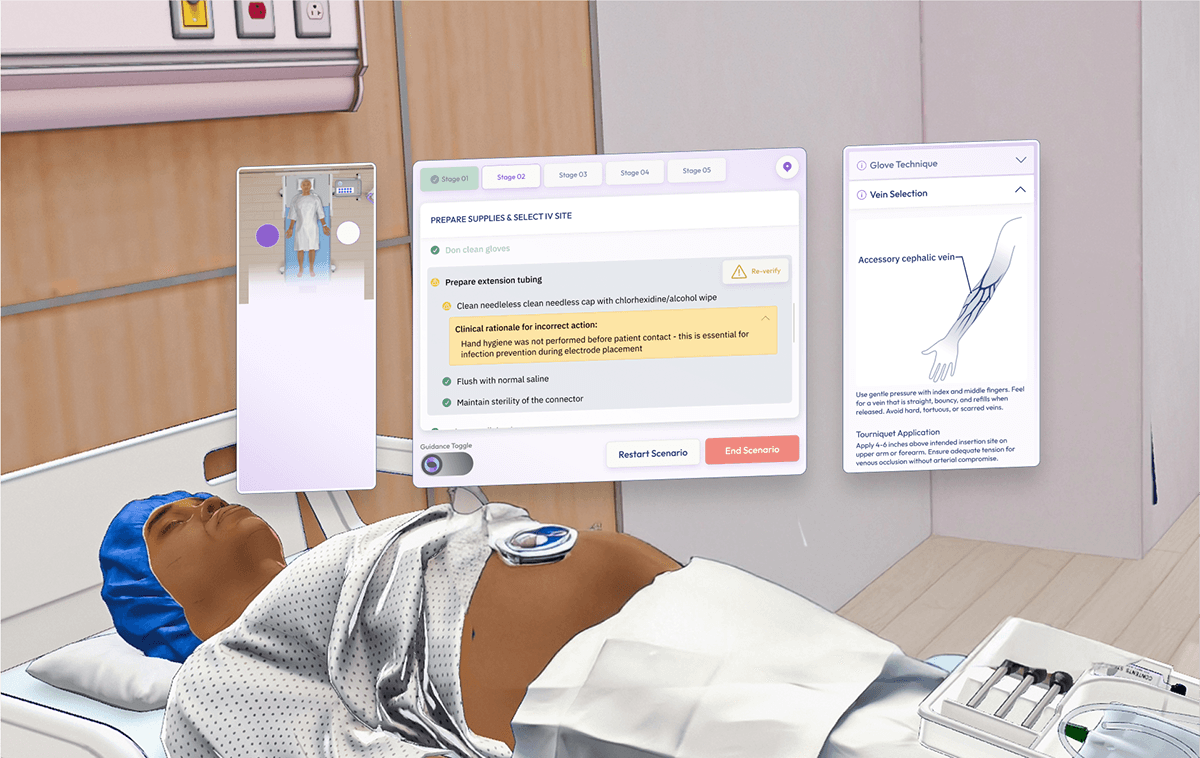
The Action Panel: Your Procedural Compass
The Action Panel became the heart of the redesign — a persistent, easy-to-reference guide that shows learners exactly where they are in a procedure, what they've accomplished, and what comes next. Color-coded verification states (green for complete, amber for warnings, red for errors) provide instant feedback without breaking concentration.
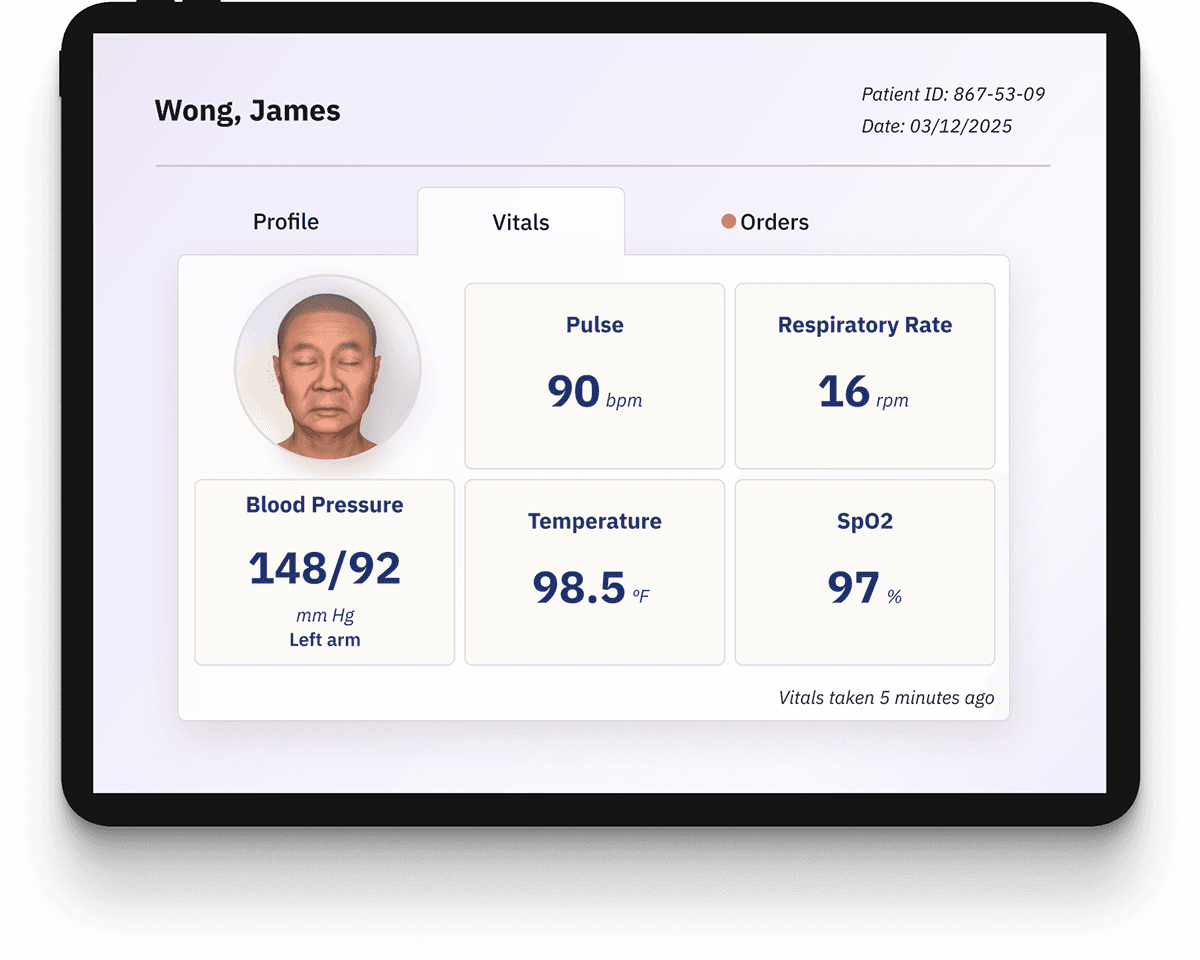
The EHR Panel: Clinical Realism
Designed to mirror real electronic health record systems, the EHR panel provides authentic clinical context. It displays patient demographics, vital signs trending over time, medical history, and active orders — preparing learners for the information architecture they'll encounter in actual healthcare settings. The panel anchors naturally to the bedside, reinforcing spatial memory.
Spatial Integration: UI Meets Environment
Rather than floating panels that break immersion, we anchored UI elements to the clinical environment itself. The Action Panel mounts to the wall like a real procedural checklist. The EHR displays bedside like actual patient monitors. This spatial grounding dramatically improved orientation and reduced cognitive load.
Measurable Outcomes
40%
Fewer Errors
Navigation and task completion errors dropped significantly with clearer spatial UI and progress tracking
3x
Faster Learning
Users completed training modules substantially faster with step-by-step guidance and contextual support
85%
Satisfaction
Internal testers reported dramatically improved comfort, orientation, and confidence within simulations
1
Unified Brand
Established scalable UI architecture aligned with the company's refreshed identity — ready for expansion across specialties
“The redesigned interface gave us confidence we knew exactly where we were in the procedure. The contextual panels answered questions before we even had to ask them. It felt like having a knowledgeable instructor right there with us.”
— Internal Clinical Testing Team
Business Impact
Product stakeholders identified this redesign as a pivotal step toward expanding the company's reach beyond surgical specialties into broader healthcare training markets. The scalable UI system reduced future development friction and positioned the platform as the premium choice for medical institutions seeking best-in-class VR training.